What Does a Maine Pest License Check Tell You?
A Maine pest applicator’s license should be checked with the Maine Board of Pesticides Control before pesticide work begins. Ask for the applicator’s name and license details, then confirm the information with the Board and make sure the category fits the work proposed. Don’t guess from a logo or a confident sales pitch.
At the Maine State Museum, visitors can see how records help explain Maine’s history; for a treatment at home, clear records likewise help you understand who applied what. Northern Maine’s longer snow-cover periods can make outdoor pest activity and access harder to assess, so ask how the plan accounts for seasonal conditions. Check the details first.
Why check an applicator’s Maine license?
If you’re hearing scratching in a bedroom wall or finding droppings beneath kitchen cabinets, verify the person who will apply pesticide before treatment starts. Maine pesticide applicator licenses are issued by category, so a valid credential alone may not establish that the applicator is authorized for the particular work being proposed.
Ask which category applies and confirm the name and license status with the Maine Board of Pesticides Control. A careful check is a practical first step, not a judgment about a company’s character.
We’ve spent more than 11 years serving Maine homeowners, and we explain findings and proposed treatment in plain language before work begins.
What details should you confirm with the Board?
Get the applicator’s full name and license information directly from the person or company, then contact the Maine Board of Pesticides Control to verify it. Compare the name and status you’re given with the Board’s record, and ask whether the license category covers the planned application.
If the company proposes pesticide use, request the product name and a chance to review its label. Maine’s pesticide licensing requirements appear in 22 M.R.S.
Chapter 262, while Board rules are in 01-026 C.M.R. Keep the answers together with the estimate and treatment plan. Records matter.
Does the proposed treatment match the license category?
Ask the applicator to explain what pest is being treated, where the product will be applied, and why that method fits the problem. Federal law requires pesticide label directions to be followed; the U.S.
Environmental Protection Agency also sets pesticide product registration and labeling requirements. A product label states its own directions and precautions, so don’t assume every treatment has the same preparation or re-entry instructions.
In Maine, early spring warming can bring ants indoors; if ants are emerging around window frames, ask how the inspection identifies the pest before any application is proposed. Our approach starts with pest identification and a clear explanation of options.
When should you call a professional instead of DIY?
A homeowner can check public licensing information and read a product label without hiring anyone. If you’re considering applying pesticide yourself, first confirm that the product is labeled for the pest and location, then follow every direction; when you’re unsure, pause and ask the Board or a qualified applicator.
For a widespread or recurring problem, or a treatment that requires application expertise, have a Maine-licensed applicator inspect and explain the plan. The Maine Maritime Museum in Bath gives visitors a view of maritime work and its demands; pest work also calls for attention to the task at hand.
In wooded southern Maine yards, tick treatment should be discussed with attention to the actual property and proposed coverage.
What should you ask before approving work?
Ask for the applicator’s name, license category, product name, label directions, preparation requirements, and written explanation of the treatment area. If a technician will work near the Maine State House or along the Maine Turnpike, the same check applies: the site’s location does not replace verifying credentials and treatment details.
A pest inspection should identify the problem and help determine whether pesticide use is appropriate. Share any previous treatment records and ask what follow-up, if any, is recommended.
We inspect carefully, explain the findings, and leave the homeowner with a practical next step. For recurring issues, you can also read our guide to ants at window frames or bed bug checks after a hotel stay.
Which License Check Fits Your Pest Control Job?
If a company proposes a pesticide application for cockroaches near a bathroom drain, start by checking the applicator and the product details. A license lookup and an explanation of the proposed method answer different questions.
Acadia National Park is a reminder that Maine properties range from developed spaces to sensitive natural settings; ask where treatment will occur and how the label applies. Coastal fog and salt air can affect exterior equipment, so ask whether any outdoor application equipment or setup is suited to the site.
| Option | Best for | Key detail |
|---|---|---|
| Board license check | Confirming applicator credentials | Verify the person and category with the Maine Board of Pesticides Control |
| Product label review | Understanding a proposed application | Label directions and precautions are product-specific |
| Pest inspection | Identifying activity before treatment | Ask what evidence supports the chosen method |
| Cockroach treatment discussion | Clarifying a proposed indoor plan | Ask whether the approach uses bait, spray, or another method |
Before approving work, ask for the applicator’s name, license category, product label, and an explanation of how the plan fits the pest.
How Do You Check a License Before Treatment?
A short check before scheduling can prevent confusion about who will do the work and what the application involves. Colby College is one Maine landmark readers may know; wherever your home is, use the same verification steps. Freeze-thaw cycles can open foundation cracks and masonry gaps, so mention visible entry points during an inspection rather than assuming a pesticide application will address them.
-
Identify the applicator: Ask for the full name and license information of the person expected to perform the application.
-
Confirm the category: Ask which Maine pesticide applicator license category covers the proposed work.
-
Check with the Board: Verify the applicator’s details with the Maine Board of Pesticides Control before approving pesticide use.
-
Review the product label: Request the product name and check its directions, precautions, and preparation instructions.
-
Prepare the site: Follow the label and the company’s instructions, and share prior treatment records with the technician.
-
Ask about follow-up: Get the recommended next step in writing and ask how recurring activity should be reported.
At scheduling, ask who will apply the product and keep the answers with your treatment records.
Ready to Check a Maine Applicator Before Treatment?
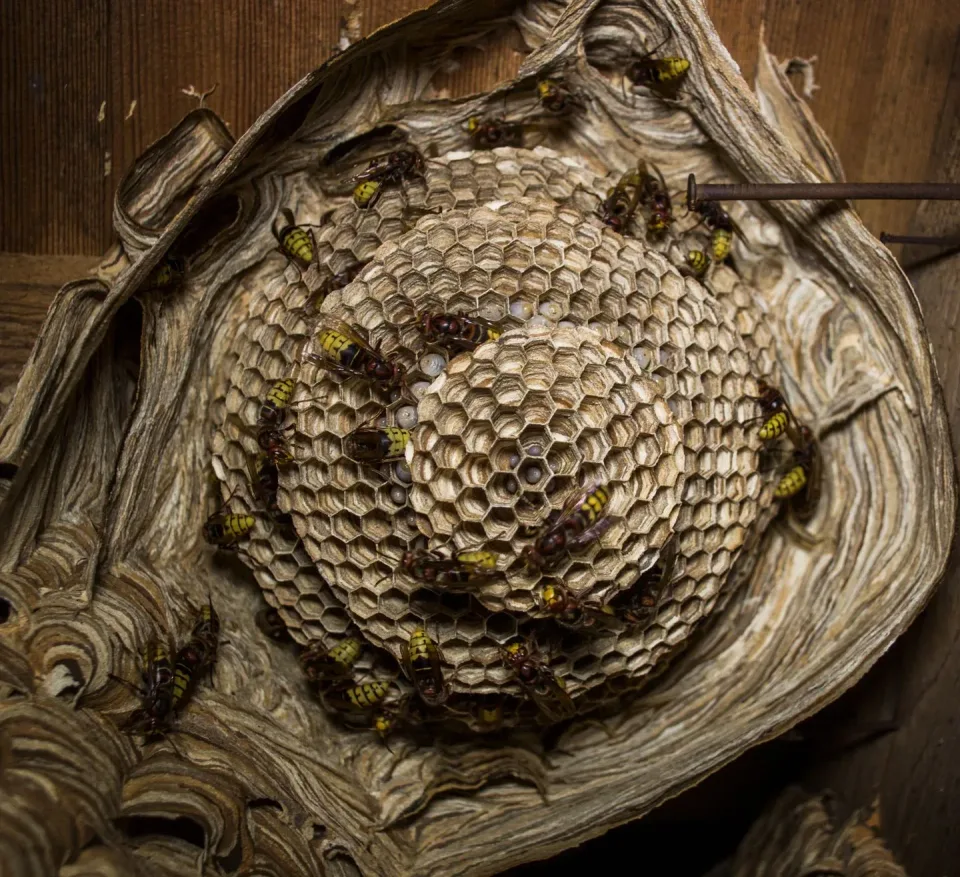
If wasps are entering through a roofline gap or another pest problem needs attention, verify the applicator before pesticide work begins. Confirm the person’s name and license category with the Maine Board of Pesticides Control, then ask to review the proposed product label and treatment plan.
Pesticide application records can help you track what was used and what follow-up was recommended; keep them with your home records. The Allagash Wilderness Waterway and Augusta Civic Center serve very different Maine settings, but clear records help homeowners understand treatment in either setting.
Nor’easters can bring coastal wind, rain, and heavy snow, so ask how weather affects any planned exterior work. For an inspection and a plain-language explanation of options, contact Maine Pest Pros about Pest Inspection.