Check for Bed Bugs Before Unpacking
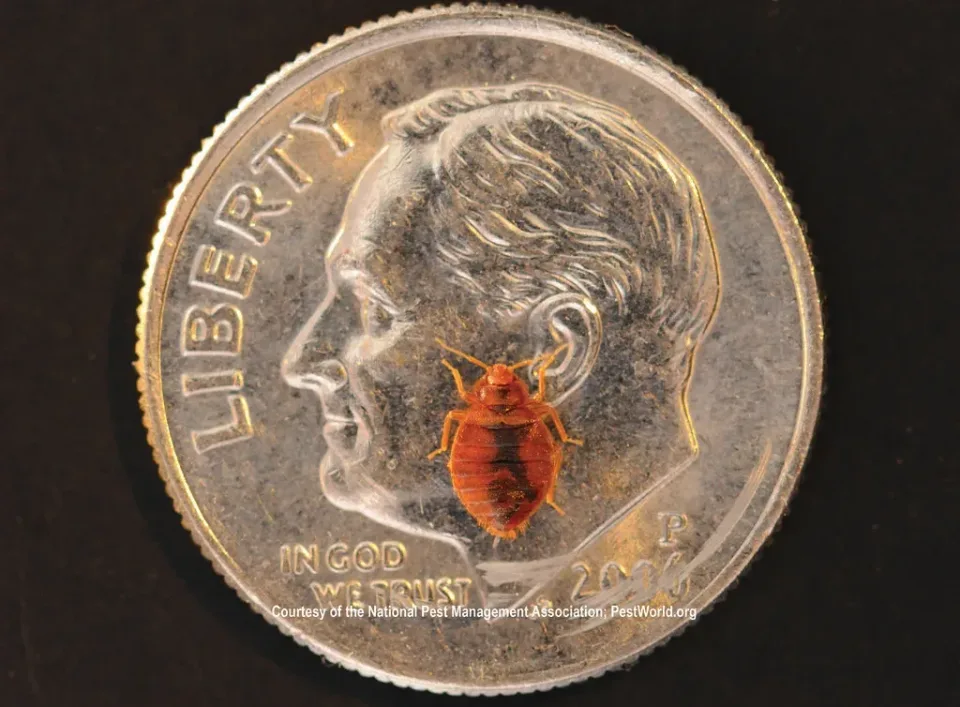
Bites after an overnight stay are not proof of bed bugs, but finding one in your luggage can bring an infestation home. If you spot a live bug, avoid carrying the bag through your home and arrange prompt professional removal; a HEPA-filter vacuum can capture bugs and debris during cleanup, while ordinary vacuuming may leave material behind.
Check mattress seams and luggage for live insects, shed skins, or dark spots, and keep bags off the bed while you inspect them. In Maine, winter cold will not reliably kill bugs hiding in luggage.
Near Portland’s Old Port, where bags pass through many rooms, a careful check before unpacking is especially worthwhile.
What should you inspect first after hotel bites?
Bed bug bites after overnight stays can prompt a quick search, but skin marks alone cannot identify the insect. Check luggage before bringing it into a bedroom, then inspect mattress seams, the bed frame, and upholstered furniture with a flashlight.
Look for live bugs, shed skins, or small dark spotting near places where someone slept. Do not move bedding or bags from room to room; that can spread any insects before you know what you are dealing with.
In Maine, spring snowmelt can leave basements and crawlspaces damp, but that does not tell you whether bed bugs are present. Focus your first check on sleeping and luggage areas. Maine Pest Pros uses careful pest identification rather than treating based only on bite marks. A clear photograph or captured specimen can help a technician distinguish bed bugs from other insects.
Can you keep luggage from spreading bed bugs?
Yes keep the suitcase closed and away from beds, couches, and closets while you inspect it. Take clothing directly to the laundry area in a sealed bag, and follow garment care instructions for washing and drying; do not assume every fabric can tolerate high heat.
Inspect pockets, seams, and folds, including the suitcase lining and wheels. Vacuuming may remove debris, but it is not proof that every insect or hiding place has been reached.
A HEPA-filter vacuum can help remove bed bugs and debris from accessible surfaces when used carefully. Empty or seal the vacuum contents immediately, and avoid dragging the appliance across clean areas.
Vacuuming is one practical step, not a substitute for checking seams and crevices or confirming the pest. The Portland Head Light is a familiar Maine landmark, but trips near the coast can also mean luggage travels through damp, foggy conditions; keep bags dry and inspect them indoors before storage.
When should you call a bed bug professional?
Call for an inspection if you find a live insect, repeated signs in a sleeping area, or activity in more than one room. If you find no physical evidence and the only clue is a skin reaction, continue monitoring and avoid applying pesticide as a guess. Bed bug control requires identifying where insects are hiding and selecting a treatment that reaches those places; an unplanned spray can miss harborage and complicate later work.
Our crew inspects the reported areas, explains what we find, and discusses appropriate Bed Bug Treatment options. A handheld insecticide sprayer is a tool for targeted application when the product and site call for it not a reason to spray every surface.
Coastal fog and salt air can affect exterior equipment, so any exterior setup should suit the site rather than rely on a one-size-fits-all arrangement. If you are unsure what an applicator should provide, read our guide to verifying a Maine pest applicator.
What does early action change?
Early action means containing belongings, documenting signs, and seeking a focused inspection before moving items through the home. A customer may say, “I want it taken out right away. I already got stung ones.” We understand the worry, but bites do not prove the pest or its location; checking first helps avoid an unnecessary treatment and directs attention to evidence.
Leland Ossian Howard was a United States entomologist whose work helped shape insect study; the useful lesson for a homeowner is to identify the insect before choosing a response. In Maine, Nor’easters can bring wind, rain, and heavy snow, but weather is not a bed bug treatment.
Keep luggage contained and records of sightings available, then ask for a professional inspection if signs persist. Our Bed Bug Treatment page explains the service path.
Which Bed Bug Check Should You Use After a Hotel Stay?
If you returned from a hotel with itchy marks but have not found an insect, start with a careful visual check and contain your luggage; escalate when you find physical evidence. Each option has a different role.
| Option | Best for | Key detail |
|---|---|---|
| Visual inspection | Checking luggage, mattress seams, and bed frame | Look for live insects, shed skins, or dark spotting |
| HEPA-filter vacuum | Removing visible insects or debris from accessible surfaces | Seal and dispose of contents carefully; vacuuming alone does not confirm clearance |
| Bed bug inspection and treatment | Confirmed signs or recurring activity | A technician identifies activity and matches treatment to the site |
Colby College is a local landmark in Waterville, but a campus or hotel visit itself cannot establish where an insect came from. Freeze-thaw cycles can open foundation cracks and masonry gaps, though those gaps are not evidence of bed bugs. Ask what the inspection found, what treatment is proposed, and how follow-up visits will be scheduled.
How to Check Luggage and Prepare for an Inspection
Keep the bag contained, inspect before unpacking, and follow the technician’s instructions if a visit is arranged. Take photographs of evidence and note where it was found.
In Maine, early spring warming can trigger ant activity indoors, but ants are different pests; do not treat an unrelated insect sighting as proof of bed bugs. The Auburn Riverwalk is a familiar local destination, yet the most useful step after any trip is checking the actual luggage and sleeping area.
-
Isolate the suitcase: Place it on a hard floor away from bedrooms and upholstered furniture.
-
Inspect carefully: Check seams, pockets, wheels, mattress edges, and bed-frame joints with a flashlight.
-
Contain clothing: Bag garments before taking them to laundry, and follow each item’s care label.
-
Save evidence: Photograph suspected insects or spotting; avoid crushing or relocating a specimen.
-
Prepare the room: Clear access to the bed and reported activity, and share prior treatment records if any.
-
Follow instructions: Keep children and pets away until product-label directions permit re-entry after any treatment.
Should You Get Help After Hotel Bed Bug Bites?
If you find a live insect or repeated signs near a bed, contain the luggage and arrange an inspection rather than spraying by guesswork. Bed bug treatment works best when the pest and its hiding places are identified first.
A handheld sprayer may be used for targeted work when appropriate, but the tool alone does not determine the treatment plan. Hurricane remnants can bring heavy rain and flooding in Maine; keep stored bags dry and separate from sleeping areas while you sort out the evidence.
Maine Pest Pros can inspect the reported areas, explain the findings, and discuss practical options. Start with our Bed Bug Treatment page or call (855) 681-0299 to discuss an inspection.