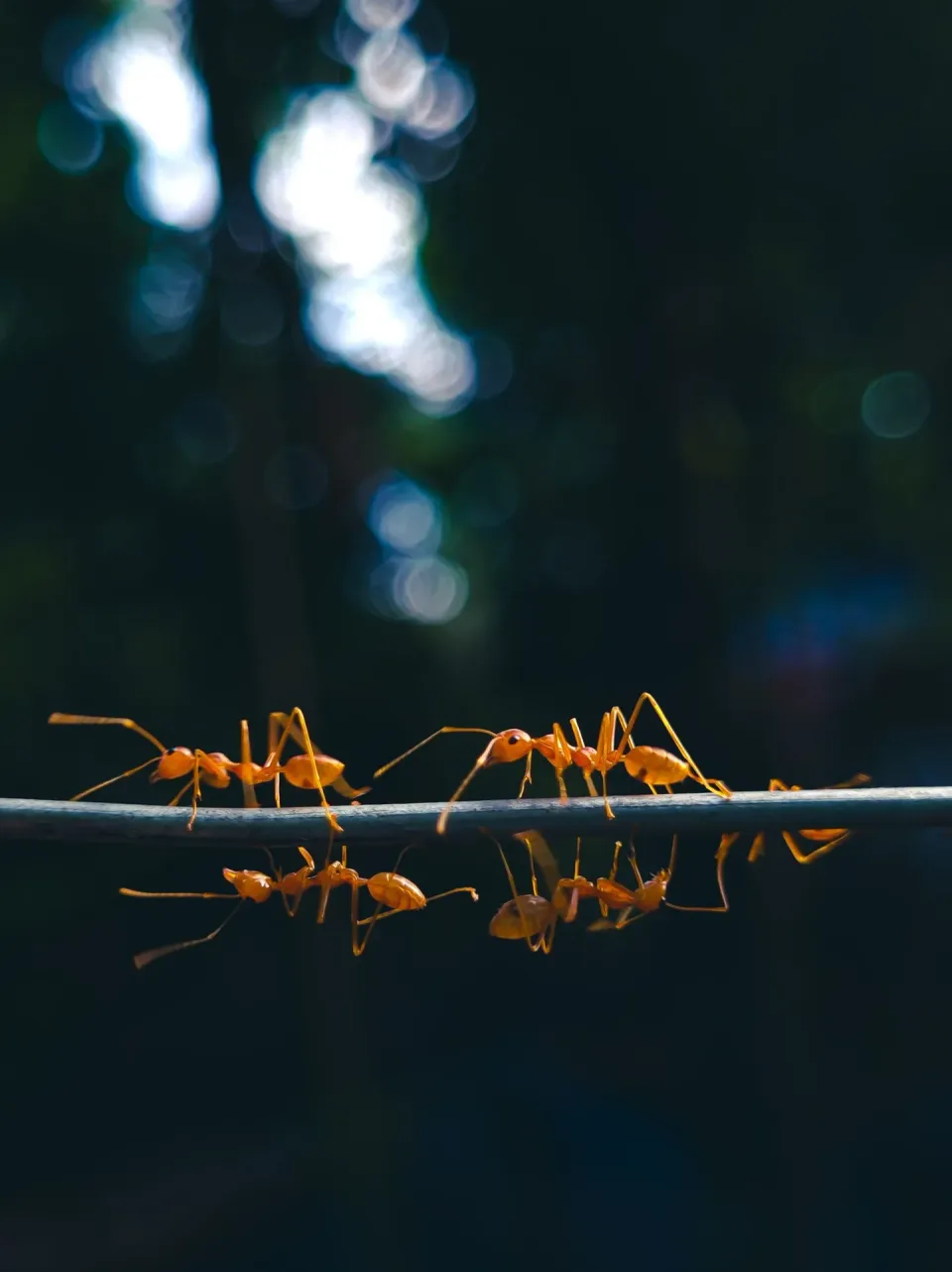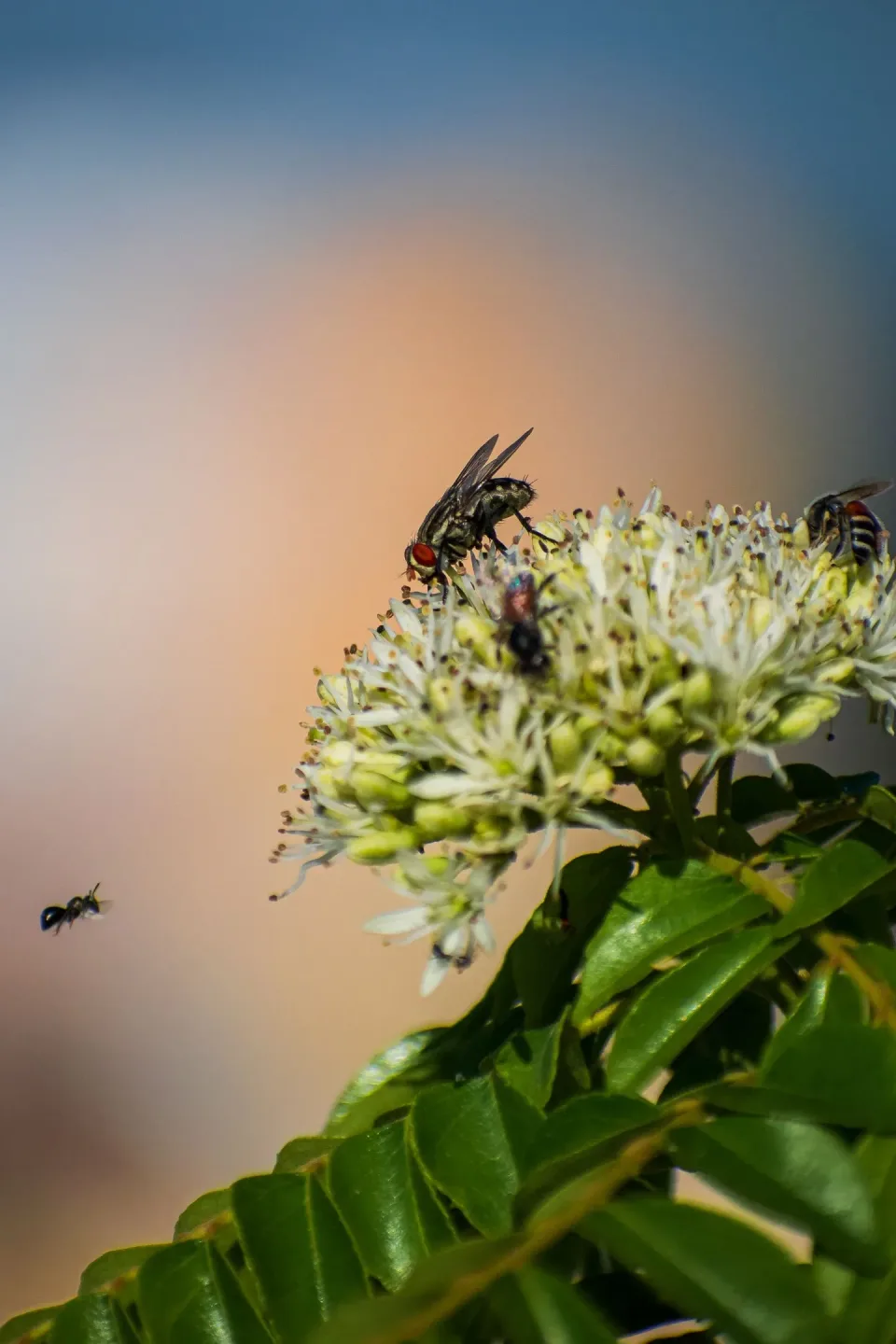
Wasps Keep Coming Through My Roofline — Should I Seal It First?
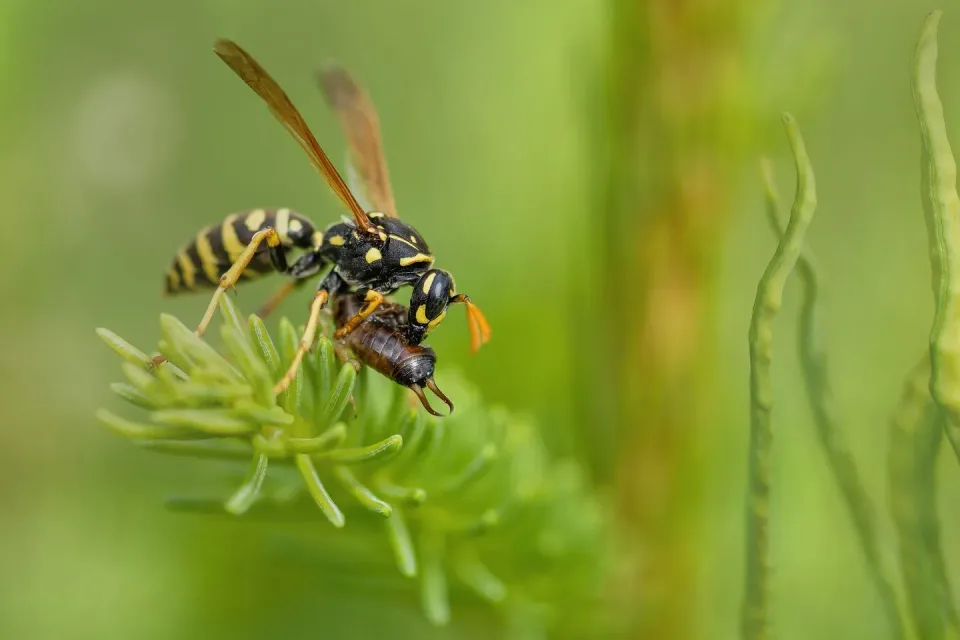
Yes, you can seal the entry but only after the wasps are gone or treated. If you’re watching wasps slip in and out of a gap at your roofline, the instinct is to grab caulk and close it up that afternoon. Sealing wasps inside your soffit or wall void usually drives them into living spaces instead, and that’s the failure mode we see most on calls around Portland’s Old Port neighborhoods.
A proper job starts with a perimeter treatment to knock down traffic, then exclusion work once the colony is inactive. We time it around your schedule too if contractors are waiting on us before siding or roofing work can continue, tell us when you call and we’ll plan the treatment and sealing order so your project doesn’t stall.
-
Confirm the traffic pattern: Watch from a distance to find every opening they use.
-
Treat before sealing: Active colonies trapped indoors head for light usually your kitchen.
-
Seal after activity stops: Exclusion is the last step, not the first.
One quick inspection saves a weekend of swatting.
Why Is My Roofline Such a Wasp Magnet?
A roofline gap is an invitation, and Maine homes hand out a lot of them. Between nor’easters that lift shingles and freeze-thaw cycles that open masonry gaps, soffits and fascia boards take real punishment here. If wasps are entering through roofline gaps at your place, here’s how we think through the fix.
Wasps look for sheltered voids above the weather line, and a heated attic behind a loose soffit panel is exactly that. Late-summer and fall storms along the coast damage screens and siding, and every torn screen or lifted drip edge becomes harborage protected space where a colony can build without wind or rain touching it. We find most roofline colonies within a few feet of a bathroom or dryer vent, where warm air leaks out and keeps the void comfortable.
Can You Seal the Entry Before the Wasps Are Gone?
No sealing an active colony inside is the most common DIY mistake we see. Trapped wasps chew through drywall, emerge into bedrooms, and turn a manageable exterior problem into an interior emergency. The right sequence is treatment first, then entry-point sealing once flight activity stops, usually after a day or two of observation.
If you’re not sure whether the colony is active, count returning wasps for ten minutes in morning sun. More than a handful means the nest is live.
When Should You DIY and When Should You Call a Pro?
A single paper wasp on an exterior soffit edge you can reach from the ground is a reasonable DIY job with a labeled spray. Call us when the nest is above one story, when you can’t see the entry point clearly, or when wasps are already inside the house. We carry Maine-licensed pesticide applicators on every job, and we’ll explain what we found in plain language before we treat anything.
What Else Gets In Through the Same Gaps?
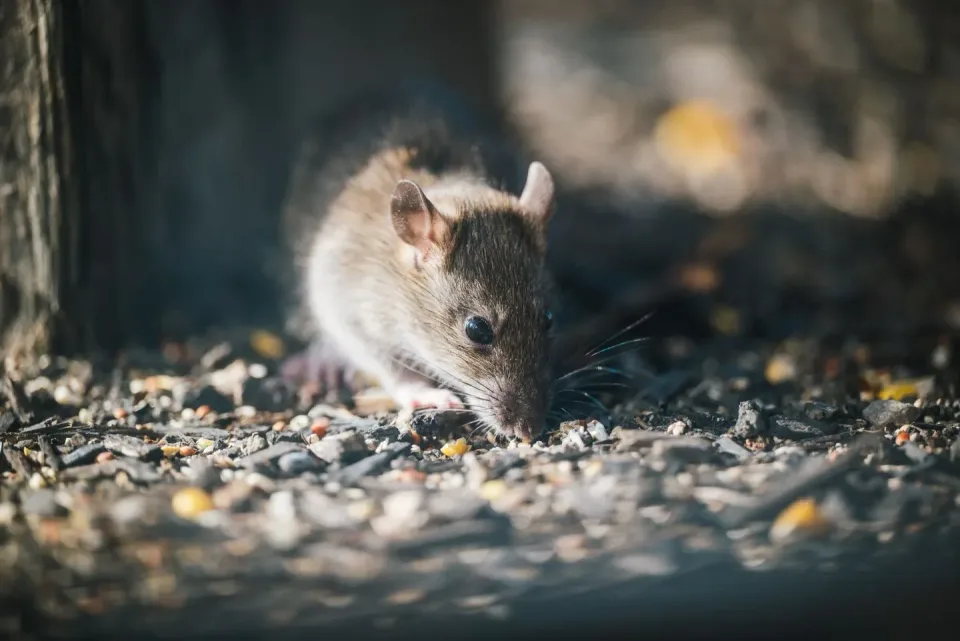
Everything. The same soffit gap that admits wasps admits mice, and mice need only about a 1/4-inch opening.
That’s why we pair wasp work with exclusion and, where rodents are involved, tamper-resistant bait stations placed outside so trapping addresses rodents indoors while baiting and entry-point sealing handles the source. Fall temperature drops push both pests toward heated buildings, so a September roofline fix prevents an October mouse problem.
If you’re already hearing scratching in the walls, our mouse extermination team handles that side of it, and a full pest inspection maps every opening at once.
How Do We Keep Them From Coming Back?
Exclusion is the durable answer. We seal gaps with appropriate materials, repair damaged soffit sections, and report recurring activity and new entry points at each follow-up visit so nothing reopens unnoticed.
After a coastal winter, we re-check ice and wind can undo a seal that looked perfect in October. That follow-up habit is what separates a one-time fix from a roofline that stays quiet.
Treatment Options for Roofline and Perimeter Pests
Choosing the right approach starts with knowing what’s actually living in or entering the void inspection identifies activity, while treatment reduces active populations, and skipping the first step means treating the wrong thing. Species identification before product selection matters too, because a spray labeled for wasps does nothing for the carpenter ants that often share the same damp soffit wood. Here’s how the common options compare:
| Option | Best for | Key detail |
|---|
| Mouse trapping and exclusion | Rodents using the same gaps | Entry gaps 1/4 inch or larger need sealing |
|---|---|---|
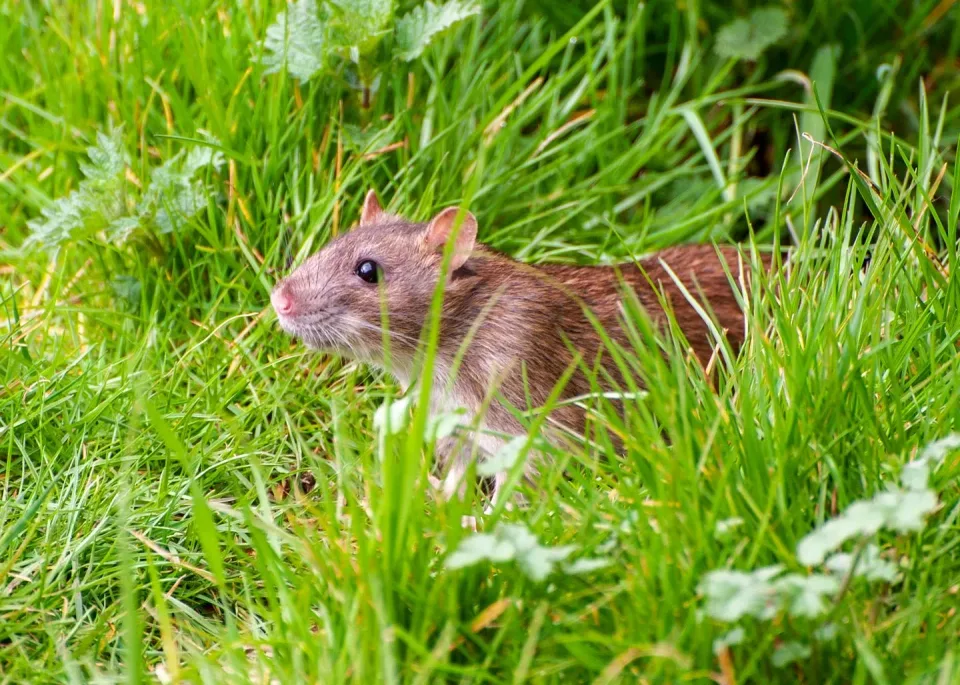
| Rat baiting and entry-point sealing | Larger rodents, heavier chewing | Rat entry gaps start at 1/2 inch |
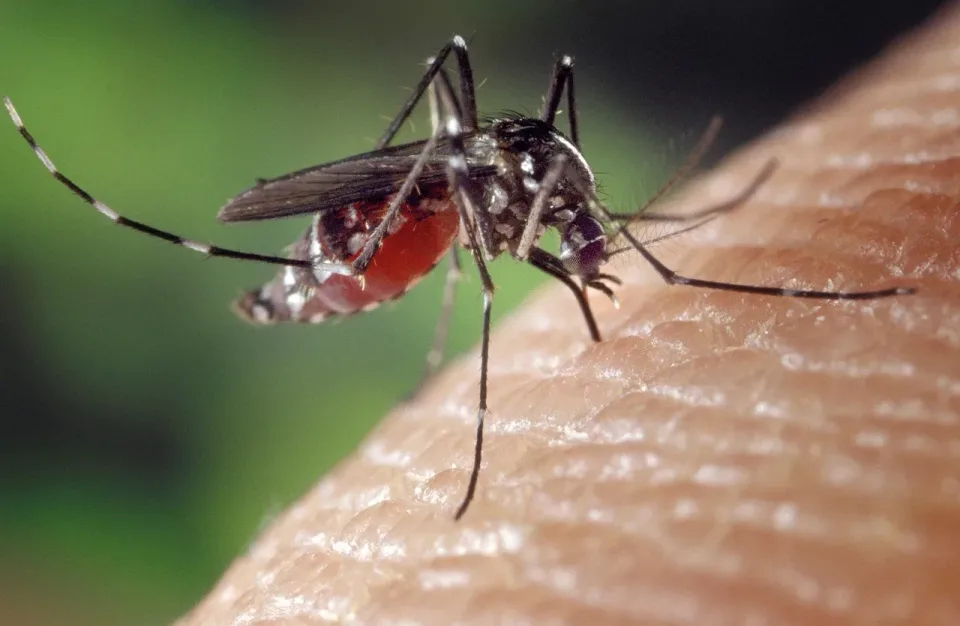
| Tick and mosquito yard treatment | Summer yard pressure | Coverage is priced by property acreage |
| Termite inspection and treatment | Mud tubes or wood damage | Inspection confirms subterranean activity first |
Snap traps capture rodents; bait stations deliver rodenticide in secured, tamper-resistant housings the right pick depends on where the activity sits and who shares the property.
How to Prepare for a Wasp Treatment and Exclusion Visit
Preparation is simple but easy to skip. Clear access and a few household steps let us treat once instead of twice, and they protect your family during the label’s re-entry interval.
-
Identify the pest before treatment: Confirm wasp species and entry point treatment product and sealing method both depend on it.
-
Clear the work area: Move vehicles and outdoor furniture away from the roofline and eaves so we can set ladders safely.
-
Secure pets and cover aquariums: Remove pets before the scheduled application and keep them out until the label re-entry interval ends.
-
Store food and dishes: Required before any interior crack-and-crevice treatment, which we use when wasps have moved into wall voids.
-
Provide attic access: Exclusion often starts inside, where we can see the back side of the gap.
-
Schedule follow-up by life cycle: We time the return visit based on the pest’s cycle so any surviving workers are caught.
Freeze-thaw cycles open foundation cracks and masonry gaps every Maine winter, so exclusion is a maintenance habit, not a one-time event.
Get the Roofline Sealed Right the First Time
The takeaway: treat the colony first, seal the entry second, and re-check after winter. A roofline gap that let wasps in this summer will let something else in once the snow flies and from the coast near Acadia National Park to inland towns, we see the same pattern every year.
Our entry-point sealing work pairs with a walkable, accessible exterior perimeter inspection so we catch every opening in one visit, not three. Snap traps and bait stations handle the rodents that follow the same gaps inside.